The University of Massachusetts Dartmouth, often referred to as UMass Dartmouth, has a rich history dating back to its founding in 1895 as the New Bedford Textile School and Bradford Durfee Textile School in Fall River. These institutions merged in 1962 to form the Southeastern Massachusetts Technological Institute, which became part of the University of Massachusetts system in 1991. Located in the scenic coastal region of southeastern Massachusetts, UMass Dartmouth has grown into a comprehensive public university, offering a wide range of undergraduate and graduate programs to a diverse student body of over 8,000.
What sets UMass Dartmouth apart is its strong emphasis on community engagement and social responsibility. The university prides itself on fostering a close-knit community where students, faculty, and staff collaborate on projects that benefit the local region and beyond. The campus is noted for its distinctive Brutalist architecture, designed by renowned architect Paul Rudolph, which offers a unique and inspiring environment for learning and innovation. UMass Dartmouth is also recognized for its commitment to sustainability, with numerous initiatives aimed at reducing the university's environmental footprint.
Academically, UMass Dartmouth is known for its robust programs in engineering, business, and the arts. The College of Engineering is particularly acclaimed for its research output and industry partnerships, providing students with practical, hands-on experience in fields such as electrical, computer, and mechanical engineering. The Charlton College of Business offers strong programs in accounting and finance, while the College of Visual and Performing Arts is celebrated for its comprehensive arts curriculum, including a nationally recognized ceramics program. The university's emphasis on experiential learning ensures that students are well-prepared for their future careers.
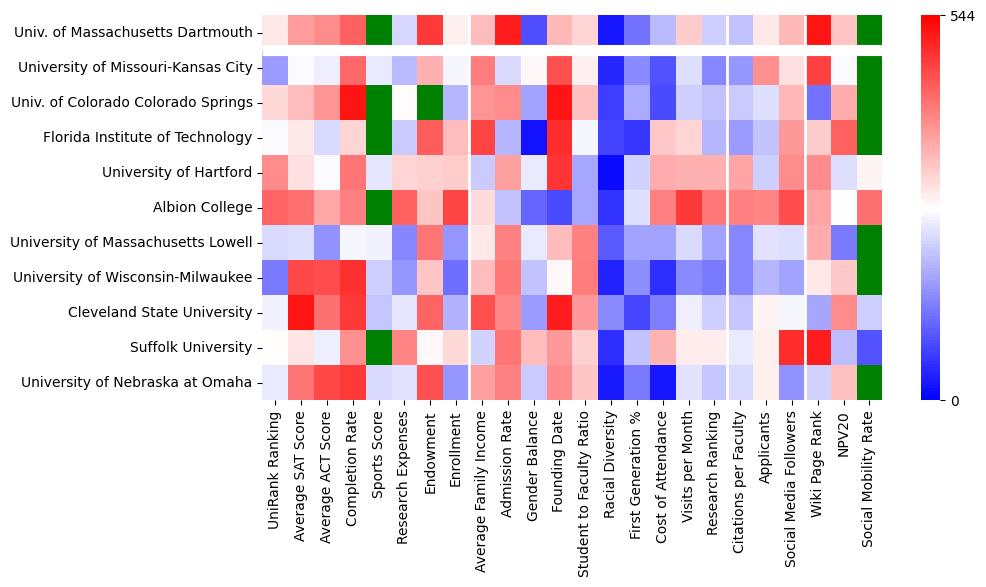
Despite its many strengths, UMass Dartmouth faces challenges, particularly in terms of financial resources and infrastructure. The university has been working to improve its facilities, but some buildings still require upgrades to meet modern academic and technological standards. Additionally, while the university has made strides in increasing its graduation rates, retention remains an area for improvement. Addressing these issues will be crucial for UMass Dartmouth as it continues to enhance its reputation and provide quality education to its students.